Western Food-French Baguette crafts inherited in the 19th century
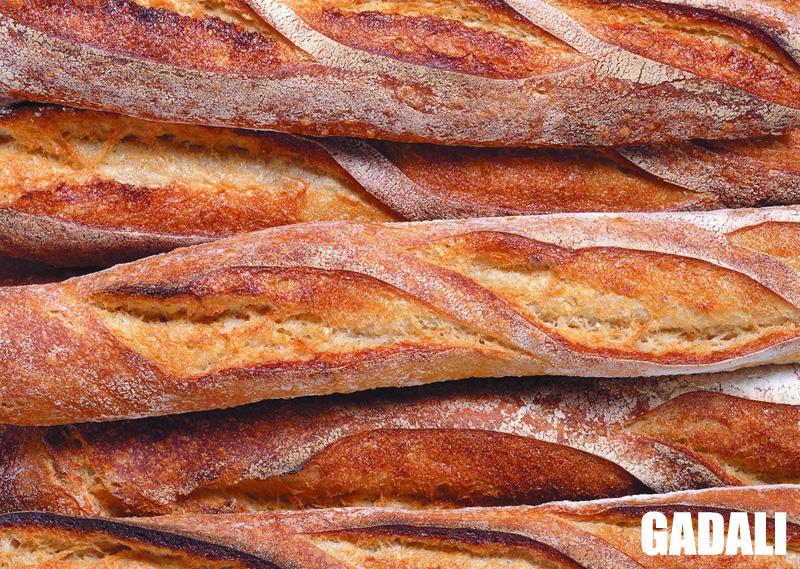
Baguette,(French: /ba.ɡɛt/,English:/bæ'gɛt/).
It is one of the most traditional French breads and is nutritious. The representative of French bread is "stick bread", and baguette is originally a long gem. The recipe for baguettes is very simple. It uses only four basic ingredients: flour, water, salt and yeast. It usually has no added sugar, no milk powder, no or almost no oil. Wheat flour is not bleached and contains no preservatives.
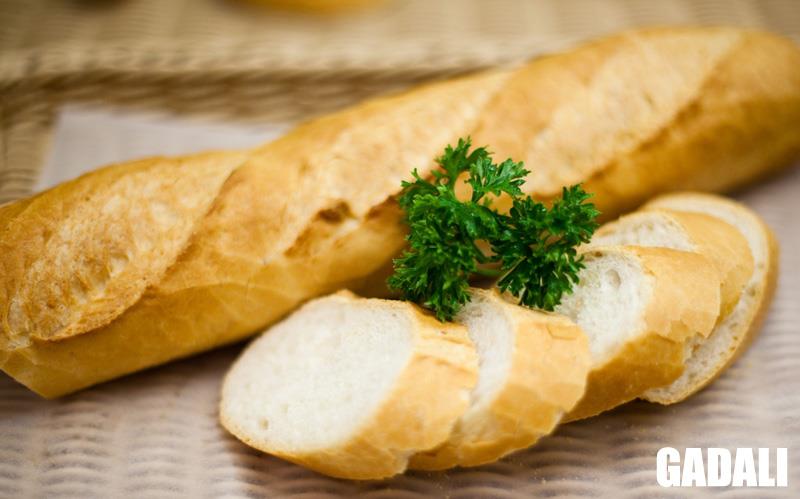 Chinese name:法式长棍面包
English name:Baguette
Main ingredients:
Flour, yeast, salt, water
Taste:
Wheat scent
Origin:
Baguette was inherited from the bread crafts of Vienna in Austria in the mid-19th century, when an oven called a deck (thick floor) began to be widely used. The Deck furnace is a combination of a traditional brick oven and a gas stove. Instead of firewood, it uses natural gas to heat a thick pile or refractory brick like a "deck" for baking.
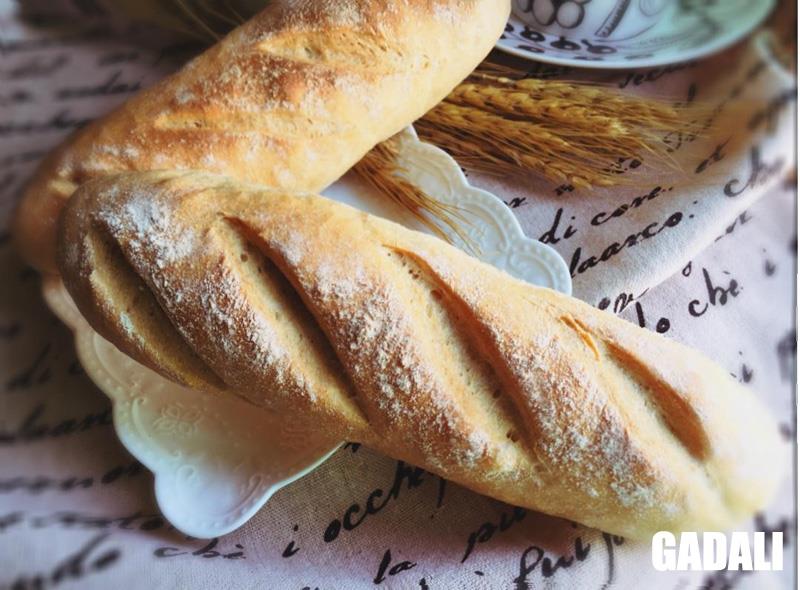
Deck ovens require water vapor injection, and there are many different ways to inject water vapor in order to make a good baguette. Ovens are usually above 400 degrees Fahrenheit (204 degrees Celsius), and the injection of steam causes the bread crust to expand before it is heated enough to form a light, airy bread.
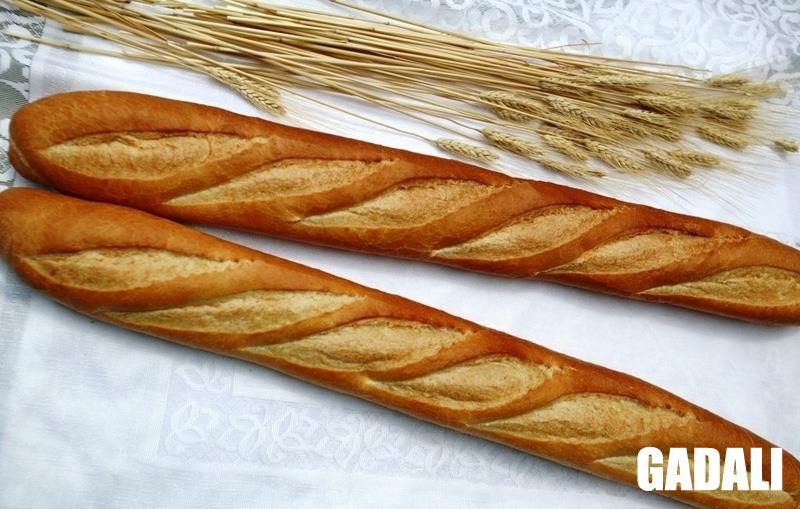
There used to be long bread, but the baker did not make it often. In October of 1920, a law stipulated that bakers should not work before 4 o'clock in the morning, which made it difficult to complete the round bread that people had at breakfast, and the problem was solved by the slender baguette that appeared later. Because it is prepared and baked more quickly.
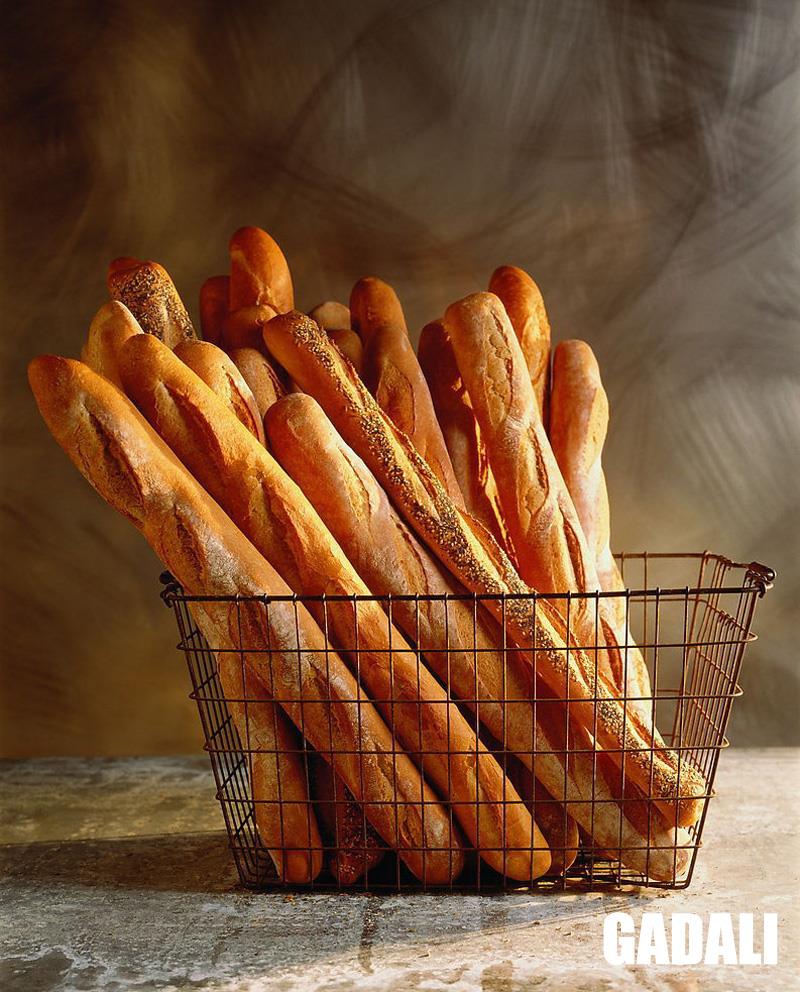
Dishes: It is characterized by crispy skin, soft inner and slightly tough, more chewy and full of rich wheat flavor. Eating baguette is not as cumbersome as a French meal: stick out your left hand to catch the long stick, tighten the five fingers, then follow your right hand, grab the end of the bread, then turn your left hand down, twist your right hand, and screw the bread down.
Previous: {pboot:if([content:prelink])}[content:pretitle]{pboot:else}None{/pboot:if}
Next: {pboot:if([content:nextlink])}[content:nexttitle]{pboot:else}None{/pboot:if}